
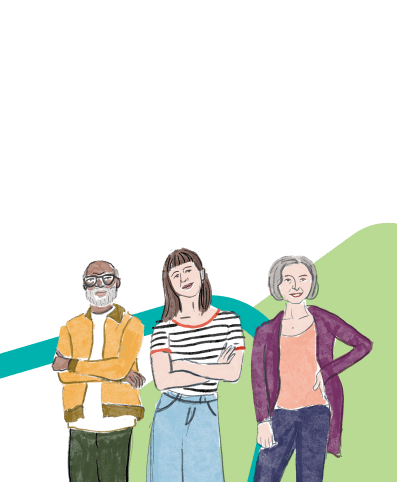

We know not everyone facing a legal issue needs to see a lawyer
Sometimes people need a little bit of help. Whether it’s identifying they have a legal avenue available, or learning how to pursue their problem in court, providing legal information online can equip people with the information they need to self-serve their legal issue without having to speak to a lawyer. This also means lawyers can spend their time and expertise on more complex issues that require intensive help.
When facing a legal problem, many people turn to online searches to get more information. Therefore, being present in online spaces ensures we meet people in their own journey of resolving their legal issue.
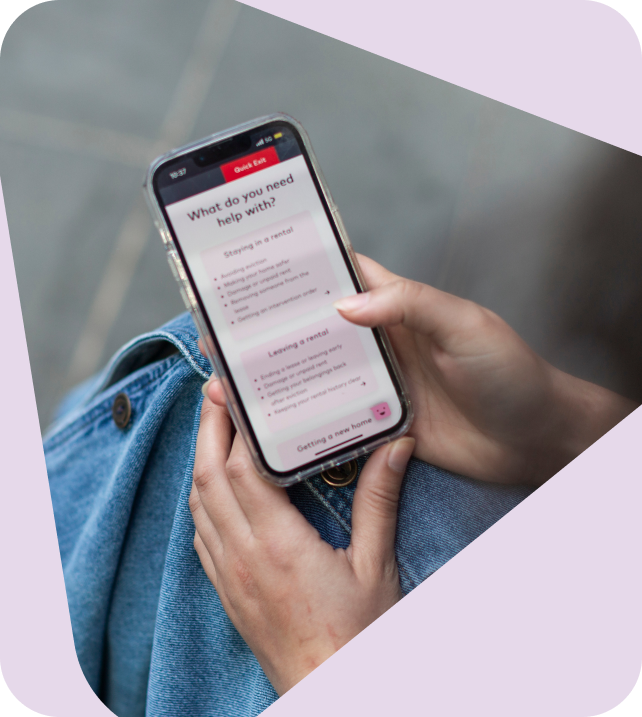
That’s why we have created and maintain a collection of publicly-available resources on common legal issues facing the people we help. Our self-help hub allows us to greatly scale our impact by reaching many people online at once with free, general legal information.
The impact of our self-help resources
Our library of 120+ resources:
- Democratise access to our legal expertise
- Is infinitely scalable, increasing our reach and impact
- Meets the needs of people who prefer online technology and self-guided options
- Builds people’s capacity to self-advocate
As a limb of our service model, self-help is sometimes used as a standalone service; other times it is complementary to our other services.
In FY25, our self-help resources were viewed 181,384 times, illustrating the huge need for self-help resources being readily available online.
Designing self-help resources with people in mind
Our resources are based on design principles developed as part of our Missing Majority report.
In 2020, with funding from the Victorian Law foundation, we completed research into the state of online self-help for people with a legal problem, and created a set of design principles that are essential for successful resources.
Explore our innovation work
Donate now
Your donation will help make justice more accessible, more efficient, and more human.