











About our campaign
We help people who are facing complex legal problems that arise from elder abuse.
We reach out to people at risk and help older people navigate the legal system to ensure they feel safe and are treated with dignity and respect.
What is elder abuse?
Elder abuse is a broad term for any action or inaction that causes fear of violence, isolation, deprivation, humiliation or powerlessness in an older person. It is different from other forms of family violence in that it can occur in any relationship where there is an ‘expectation of trust’. That means, along with family members, perpetrators can include carers, neighbours and friends.
Abuse can take different forms, including physical, psychological, financial, sexual, or neglect. It may manifest in a myriad of different ways, from denying an older person access to grandchildren, relatives or friends, to forcefully encouraging changes to a will or legal document. Where neglect occurs, it can be either intentional or unintentional.
How we’re helping end elder abuse
Legal help can make a big difference to people at risk of elder abuse. However, many older people seek advice very late, when responses can be costly, difficult and stressful. There are lots of reasons someone may seek legal help late, such as social isolation, lack of knowledge about legal services, and lack of understanding that a problem they are experiencing has a legal solution.
We have over 15 years of experience in designing and delivering innovative, specialised legal services for older Australians, preventing and better responding to elder abuse in our community.
We help people experiencing or at risk of elder abuse through our Health Justice Partnership model, as well as through individual referrals to free legal help.
Case study:
Leveraging technology to prevent elder abuse in Victoria and NSW
In 2021, in response to advocacy from Justice Connect’s Seniors Law and the broader legal sector, the Victorian and NSW Governments made permanent legislative changes to permit remote witnessing of legal documents by audio visual link.
The COVID-19 pandemic placed older people at increased risk of elder abuse due to increased isolation away from community support systems. Growing pressure on adult children caused by job, housing, and financial insecurity also strained their relationships with their older parents.
The National Elder Abuse Prevalence study released in December 2021 confirmed that having legal documents in place, such as a Will, an Enduring Power of Attorney, an Appointment of Enduring Guardian (in New South Wales) and an Appointment of Medical Treatment Decision Maker (in Victoria), were effective tools to prevent and respond to elder abuse.
It is for this reason that assisting older clients to execute and revoke these legal documents forms an integral part of the work of our Seniors Law program.
Previously, lawyers were required to be physically present to witness the making or revoking of these documents. This became impossible when COVID-19 restrictions were put in place that prevented lawyers from meeting with their clients physically.
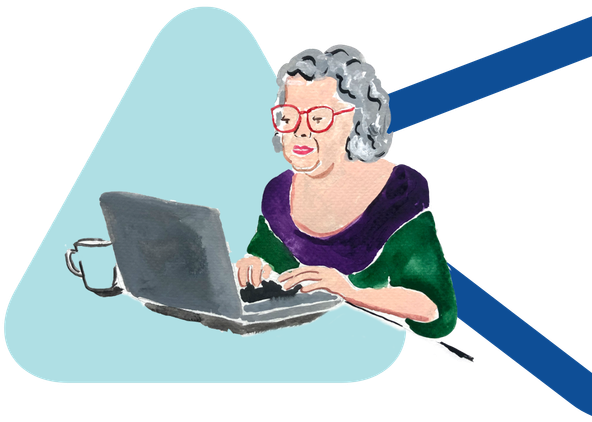
Increased use of digital platforms to witness documents means that people who previously had difficulties in accessing courts or their lawyer’s office can now execute these key legal documents via audio visual link.
This legislative change gives people, who live in regional areas or for whom accessing legal services is difficult due to family commitments, disability, transport, or limited financial resources, the ability to execute and revoke these documents.
After careful monitoring of our older client insights and casework data during the initial phase of COVID-19, in April 2020 we published a position paper to advocate for changes in New South Wales legislation. As a result, the COVID-19 Legislation Amendment (Emergency Measures) Act 2020 (NSW) allowed for remote witnessing as temporary response to COVID 19.
In March 2021, the Victorian Parliament passed the Justice Legislation Amendment (System Enhancements and Other Matters) Bill 2021 (Vic), which made permanent two important changes:
- Allowing for Victorian courts to continue hearing matters via videoconferencing and;
- For digital and remote witnessing of important legal documents to be enshrined in the law.
From November 2021, in response to this advocacy from Justice Connect and the wider sector, the NSW Government passed the Electronic Transactions Amendment (Remote Witnessing) Bill 2021 (NSW), which also made temporary measures permitting the remote witnessing of legal documents by audio visual link permanent.
Explore our other campaigns




Donate now
Your donation will help make justice more accessible, more efficient, and more human.