















It’s still a crime to beg in Victoria
We’re asking for change, and calling for a more effective response to begging in Victoria.
We all want to reduce the number of people begging in Victoria. However, as a community, we continue to rely on the police and courts to tackle what is ultimately an issue of homelessness and poverty.
Over the past 20 years, evidence and research has consistently shown that people who beg experience high levels of hardship, including homelessness, mental health issues, substance dependence, family violence, trauma and poverty.
What are people with lived experience saying?
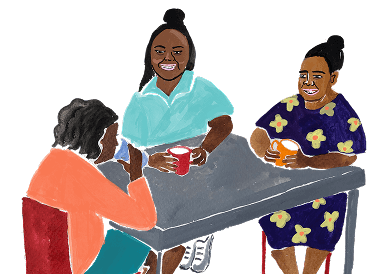
Between 2014-16, we consulted with 30 people who beg or have begged.
For their stories, insights and perspectives, watch this short video.
Why we shouldn’t use the justice system to respond to begging
When society uses the justice system to respond to begging, we:
- Impose a significant burden on police and the courts
- Cause highly vulnerable people to be caught up in the justice system as a result of homelessness and poverty
- Fail to reduce the number of people who beg
We’re calling for a better response
Informed by the evidence, consumer perspectives and direct work with people who have begged, organisations are calling for a more effective response to begging in Victoria.
Our joint Position Paper sets out seven steps that – if embraced by specialist homelessness and health services, Victoria Police, local councils, local businesses and the Victorian Government – will help Victoria move towards a fairer, more sensible and more effective approach to begging and the acute hardship that underpins it.
Victoria can do better than an old-fashioned law and a dated response to homelessness.
Let’s genuinely address the underlying causes of begging: poverty and housing insecurity.
Let’s strengthen what works: long-term social housing with holistic supports, including access to legal, social, health and financial services.
It’s time for change.
Read our position paper
Explore our other campaigns






Donate now
Your donation will help make justice more accessible, more efficient, and more human.