











A neighbourhood house welcoming everybody
Span Community House in Thornbury, Victoria
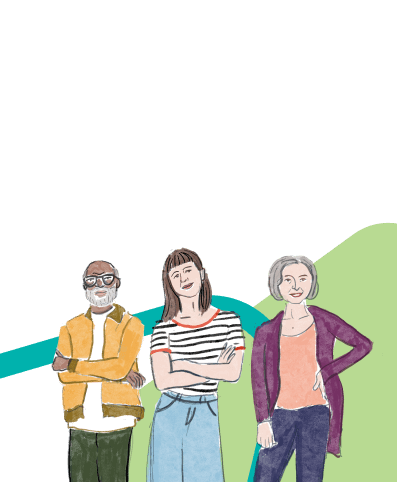
Span Community House (Span) is a neighbourhood house in Thornbury, Melbourne’s north. It welcomes everyone in the local community, including people with disabilities, people from multicultural communities, First Nations people, people on low incomes, people experiencing homelessness, people in contact with the justice system, single parents, older people, children and people living with mental health challenges.
Span runs universal, strengths-based programs that bring people from different backgrounds together through shared activities such as playgroups, community gardens, English classes, shared meals and neighbourhood learning. Rather than focusing on problems, Span focuses on their strengths, helping people navigate challenges such as unemployment, isolation, family breakdown and housing stress before they become crises. By creating opportunities for everyday connection, Span helps build trust, belonging and community resilience before people reach crisis point.
Bringing people together
Span’s annual Clyde Street Christmas Street Party is a clear example of their universal, connection-first approach in action. Each year, Span closes the street outside its centre and invites neighbours to come together to celebrate. More than 100 people attend, with community groups, schools, volunteers, local residents and faith organisations contributing to the event.
The street party reflects Span’s broader approach: building strong, connected communities by bringing people together rather than focusing on a single group experiencing disadvantage.
However, this universal approach creates a problem under the current deductible gift recipient (DGR) system. This is because Span doesn’t serve one defined disadvantaged group; it serves the whole neighbourhood.
Why the DGR system doesn’t work for Span
The most likely pathway to DGR status, via endorsement as a Public Benevolent Institution, requires a charity to direct its activities towards a specific section of the community experiencing need. Because Span works with the whole community, rather than a single identified cohort, Span is unlikely to qualify for DGR endorsement despite the role it plays in reducing social isolation, strengthening community connection and helping people navigate challenges before they escalate into crisis.
Like many neighbourhood houses and community centres, Span’s commitment to responding to the needs of its entire community means it falls outside the current DGR framework.
What DGR reform would achieve
DGR endorsement would allow supporters to claim a tax deduction for donations and would open access to many philanthropic and funding opportunities that are currently unavailable. This would provide Span with more diversified and sustainable funding, helping it expand the community-building programs that serve everyone, not a narrowly defined target group.
Greater access to funding would help organisations like Span continue supporting people facing disadvantage, while also strengthening the social connections and community networks that prevent disadvantage from becoming more severe.
“The DGR system is causing social fracturing. It requires organisations like ours to work with a particular ‘needy’ section of the community, rather than the whole, mixed neighbourhood we actually need to bring together to build a resilient, connected society.” — Zoe Austin-Crowe, Manager, Span Community House
Other case studies
Food is Free
Ballarat-based organisation Food is Free has been rejected for DGR status multiple times.
Despite the vital services it provides to the local community, Food is Free is locked out because its activities don’t fit neatly into one DGR category.
We want to hear your story
Has your charity applied for DGR status and been rejected? Are you missing out on the benefits of DGR status?
We want to hear from you.
Help spread the word
We’ve prepared a sharepack, including social media and email templates, and share with your networks.
We also have a briefing pack, with more information about the campaign.
Subscribe to our campaign mailing list
We collect, store and use the information that you provide us in accordance with our privacy policy.
"*" indicates required fields
Who’s behind Unlock DGR?
In the face of huge unmet legal need, Justice Connect’s vision is a world in which legal support is within everyone’s reach. We have been serving the community for more than 25 years. We are a registered charity and accredited community legal centre.
Not-for-profit Law is Justice Connect’s specialist program for community organisations and is a sector-led response that not-for-profits and their peak bodies trust. It’s the only service of its kind in Australia. Since its establishment in 2008, Not-for-profit Law has helped prevent and resolve legal, regulatory and governance issues for hundreds of thousands of community organisations across Australia.
Our partners:
The Unlock DGR campaign is supported by Minderoo Foundation, a modern philanthropy working to forge a fair future. Minderoo tackles tough, persistent challenges through evidence, partnership and practical solutions that create lasting change. Learn more at minderoo.org.
Explore our other campaigns


Donate now
Your donation will help make justice more accessible, more efficient, and more human.